

Healthy aging is not about trying to reverse the natural aging process. Instead, it focuses on living well, staying engaged and caring for your physical, emotional and spiritual health in intentional ways. Aging brings change, but it does not mean slowing down your life or losing the activities and connections you enjoy. Healthy aging is shaped by daily choices, supportive relationships and habits that help both the body and mind stay strong. Here are practical tips for aging healthily and insights to help you create routines that support long-term well-being.
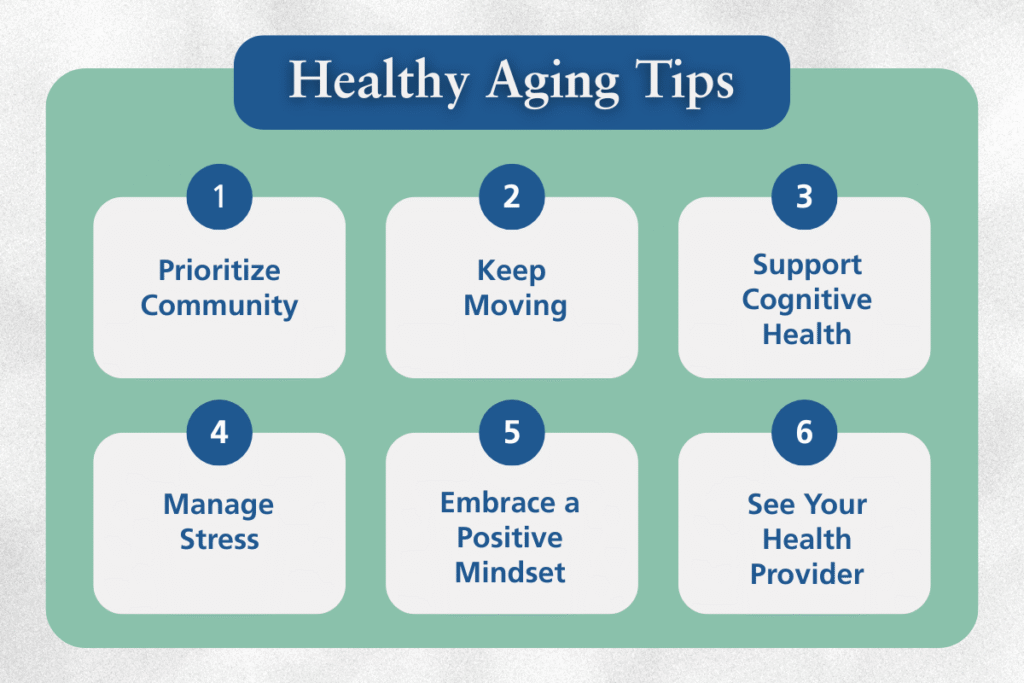
Prioritize Social Connection and Community
Strong relationships play an important role in emotional and physical well-being. Spending time with others helps create a sense of belonging and provides support during both ordinary days and challenging seasons. Social connection can also reduce feelings of loneliness and isolation, which are common concerns for many older adults.
Staying connected does not require large gatherings. Simple interactions such as sharing a meal with family, attending a club meeting, joining a Bible study or talking with a neighbor can strengthen emotional health and provide meaningful encouragement. These consistent touchpoints help build resilience and support overall wellness as individuals age.
Community living can also make it easier to stay socially engaged. Retirement communities provide opportunities for connection through shared activities, group events and easy access to neighbors. Being surrounded by a supportive community helps many older adults stay active, involved and confident as they move through new stages of life.
Support Cognitive Health
Cognitive health is an important part of healthy aging. While changes in memory and processing speed are a natural part of getting older, the brain continues to grow and adapt throughout life. Engaging in activities that challenge the mind can help strengthen cognitive resilience and support long-term well-being.
Reading, working puzzles, listening to music or learning a new skill all provide healthy stimulation. Activities that require focus or creativity give the brain opportunities to stay active and form new connections. Even small habits, such as learning a new recipe or trying a different route on a daily walk, can support cognitive function.
Lifelong learning also plays a key role in maintaining mental sharpness. Staying mentally engaged may help slow cognitive decline and foster a sense of purpose. Educational classes, group discussions and hobbies can offer structure and enjoyment while supporting sustained brain health.
Keep Your Body Moving
Staying active supports heart health, strengthens muscles and helps maintain balance and mobility. These benefits make daily tasks easier and support long-term independence as individuals move through new stages of life.
Exercise does not have to be intense to be effective. Movement of any kind can make a difference. Walking, gardening, stretching or taking a gentle fitness class are accessible ways to stay active. Choosing activities you enjoy increases the likelihood you will continue them over time, which is key to building a sustainable routine.
The goal is consistency. Even short periods of movement throughout the day can boost energy, improve mood and support overall well-being. Finding a pace that feels comfortable and enjoyable can help make physical activity a natural part of daily life.
Manage Stress and Care for Your Emotional Well-Being
Emotional wellness is a key part of overall health, and managing stress plays an important role in supporting it. Chronic stress can affect sleep, memory, heart health and the immune system, making it harder to feel balanced. Paying attention to how stress shows up in daily life is the first step in managing it effectively.
Healthy emotional expression is also essential. Talking with a trusted friend, family member, pastor or counselor can provide support and offer perspective during difficult moments. Reaching out is a sign of strength, and many individuals benefit from sharing their experiences with someone who can listen and help.
Activities such as prayer, deep breathing, journaling, quiet time in nature or a daily walk help calm the mind and create a sense of stability. These habits support emotional resilience and offer gentle ways to navigate both everyday pressures and major life changes.
Embrace a Positive Mindset About Aging
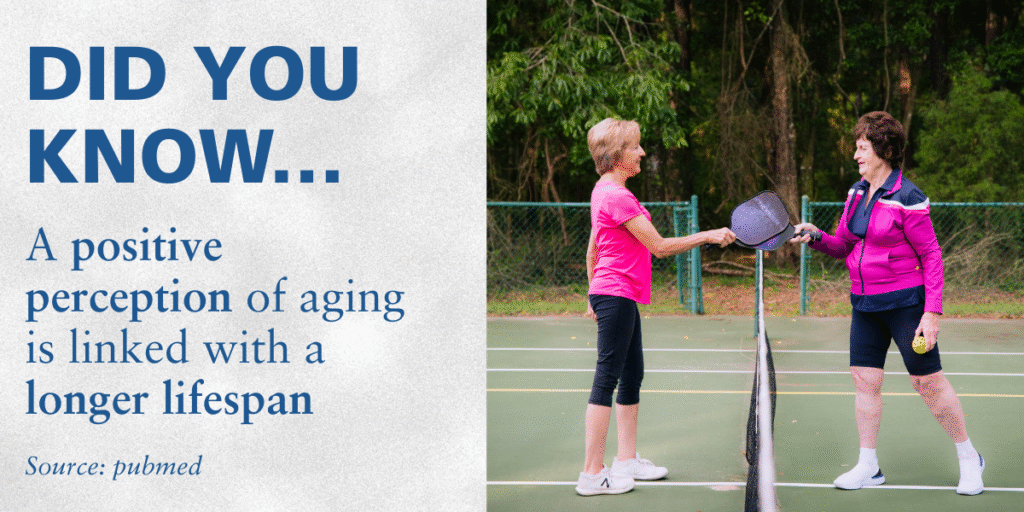
Aging is a natural part of life. Although it cannot be reversed, it can include health, joy and a strong sense of purpose. A positive mindset about aging is not about ignoring challenges. It is about recognizing the strengths, experiences and opportunities that continue to grow with time.
Research has shown that attitudes toward aging can influence physical health outcomes. Individuals who hold positive views about aging are more likely to stay active, maintain healthier routines and experience better overall well-being. A hopeful mindset supports resilience and encourages habits that strengthen both body and mind.
Focusing on purpose, gratitude and personal meaning can also make a difference. Reflecting on what brings fulfillment, acknowledging what is going well and recognizing personal strengths can help create a more balanced perspective. Many older adults find that leaning into purpose and gratitude brings renewed motivation and encourages healthier choices each day.
See Your Health Providers Regularly
Staying connected with your health care providers plays an essential role in supporting long-term well-being. Routine appointments help identify concerns early and offer opportunities to ask questions, review medications and make sure your care plan continues to meet your needs.
Preventive care matters at every stage of life. Vision and hearing checks, medication reviews and annual wellness visits can help maintain independence and reduce the risk of avoidable health issues. These appointments also give individuals a chance to talk openly with their providers about any changes they notice in their health, whether physical or emotional.
Good communication is essential. Sharing concerns, discussing new symptoms or asking for clarification helps build trust and ensures your care remains personalized and effective. Working closely with your providers makes it easier to stay informed and confident as you navigate each stage of the aging process.
How ACV Health Can Help
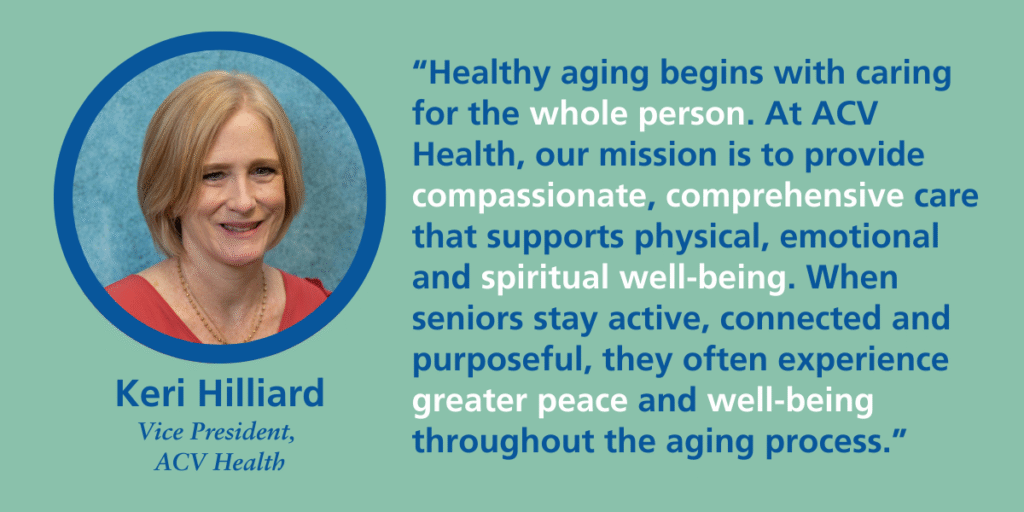
Healthy aging is strengthened by the right support system. Along with daily habits and intentional routines, having access to trusted health care providers can make it easier to stay proactive and confident about your well-being. For those seeking comprehensive care in a familiar setting, ACV Health offers services designed to support individuals through every stage of aging.
The compassionate care team at ACV Health, an outreach of Advent Christian Village, provides a wide range of services, including primary and specialty care, rehabilitation and home health care. Through partner providers at the Copeland Medical Center, patients also have access to family dentistry, audiology, podiatry and other supportive services.
ACV Health is currently accepting new patients in Live Oak, Florida. With a commitment to comprehensive care in a familiar and welcoming environment, ACV Health offers the warmth of a small-town practice supported by the resources of a larger health care provider. To learn more or request an appointment, contact ACV Health today.


