
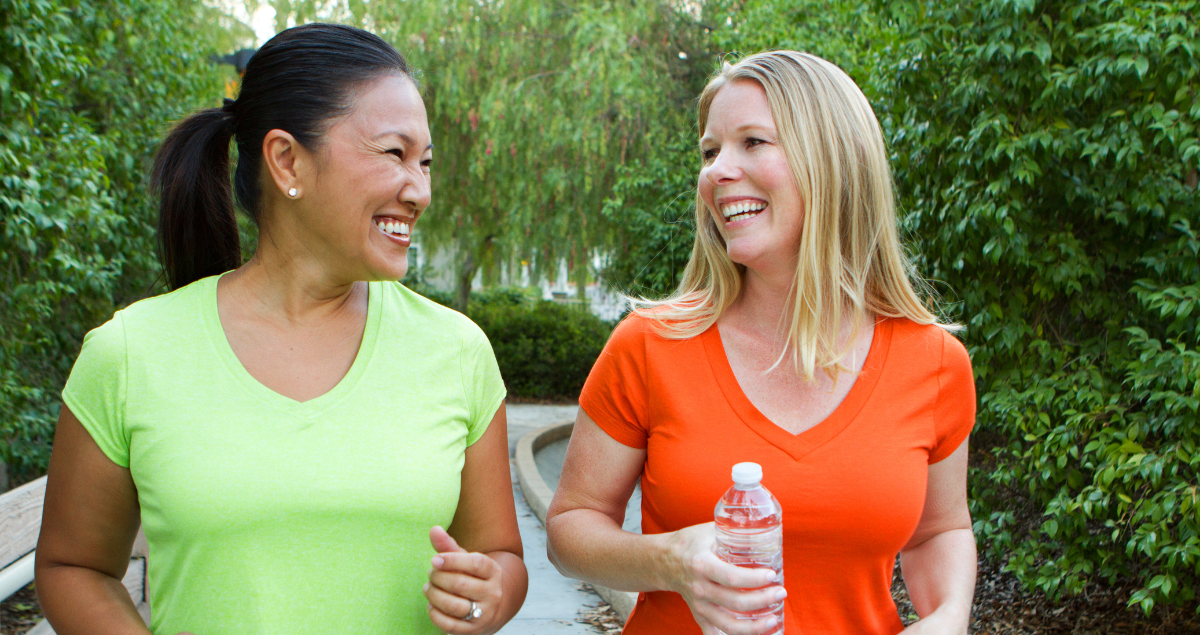
Are you getting enough movement in your day-to-day life?
According to the Centers for Disease Control and Prevention (CDC), adults need “at least 150 minutes of moderate-intensity aerobic physical activity or 75 minutes of vigorous-intensity physical activity, or an equivalent combination each week.”
Thankfully, exercise doesn’t need to be complicated – you don’t need a fancy gym membership or expensive equipment to meet this requirement. Here are some exercises and activities to help you be more active this spring, no experience required.
Benefits of Exercise for Adults
Why prioritize movement as part of a healthy lifestyle?
Exercise can help improve your cardiovascular health, increase your muscle strength and endurance and aid in weight management. In addition, it just makes you feel good – it can boost your mood and mental health and improve your sleep quality. The more you make daily movement a part of your routine, the better you’ll feel.
Easy Exercises for Adults
Looking for some simple exercises to start your new routine? Here are a few of the best beginner-friendly options:
Walking: It’s low-impact and can be done almost anywhere, indoors or outdoors. Start with brisk walking for 20-30 minutes a day. Choose supportive footwear and comfortable clothing. To get started, find a safe and scenic route to walk, whether it’s around your neighborhood, at a local park or on a walking trail.
Water Aerobics: Water aerobics involves performing aerobic exercises in a pool or shallow water. The water’s resistance helps tone muscles and improve flexibility, balance and coordination. Exercising in the water also reduces the impact on your joints. To get started, find a local pool or aquatic center that offers water aerobics classes.
Light Weight Training: Light weight training involves using light resistance or bodyweight exercises to strengthen and tone muscles. Start with bodyweight exercises such as squats, lunges, push-ups and planks to build strength and stability. Focus on form and technique to prevent injury.
Remember to start slowly and gradually increase intensity or resistance as you get stronger. It’s essential to listen to your body and stop if you experience any pain or discomfort. If you’re new to exercise, consider consulting with a personal trainer or other fitness professional to ensure you’re performing exercises correctly and safely.
Ways to Get Moving Without “Working Out”
If formal exercise isn’t your thing, there are so many other ways to get some extra steps in your day for your overall health and wellness. Here are a few ideas to get you started:
Take the Stairs: Instead of using elevators or escalators, opt for the stairs whenever possible. Climbing stairs is an excellent way to increase your daily step count and engage your leg muscles.
Gardening or Yard Work: Planting, weeding and mowing the lawn all involve movement and can help increase your step count.
Play with Pets or Kids: Spend time playing with pets or kids outdoors. Activities such as playing fetch, going for a walk with your dog or playing tag with your kids can be fun ways to stay active.
Stay Active with ACV Health
At the end of the day, the best type of exercise for you is the kind you enjoy and continue to make part of your routine. Experiment with different kinds of movement and find what works for you.
At ACV Health’s Copeland Community Center, we’re pleased to offer options for personal fitness at an affordable price. Whether you’re a fitness enthusiast or looking to add a little movement to your day, it’s the perfect place to exercise your body and mind. From exercise equipment to outdoor recreation, there’s something for everyone at our state-of-the-art health and wellness facility. Anyone can become a member at Copeland Community Center. Because of our convenient central location, we’re pleased to welcome members from around Live Oak, Perry, Madison and Mayo. Rates are affordable, aligning with ACV Health’s mission of making health and wellness accessible to everyone. To become a member, complete our membership packet today.


